EPDM Brands
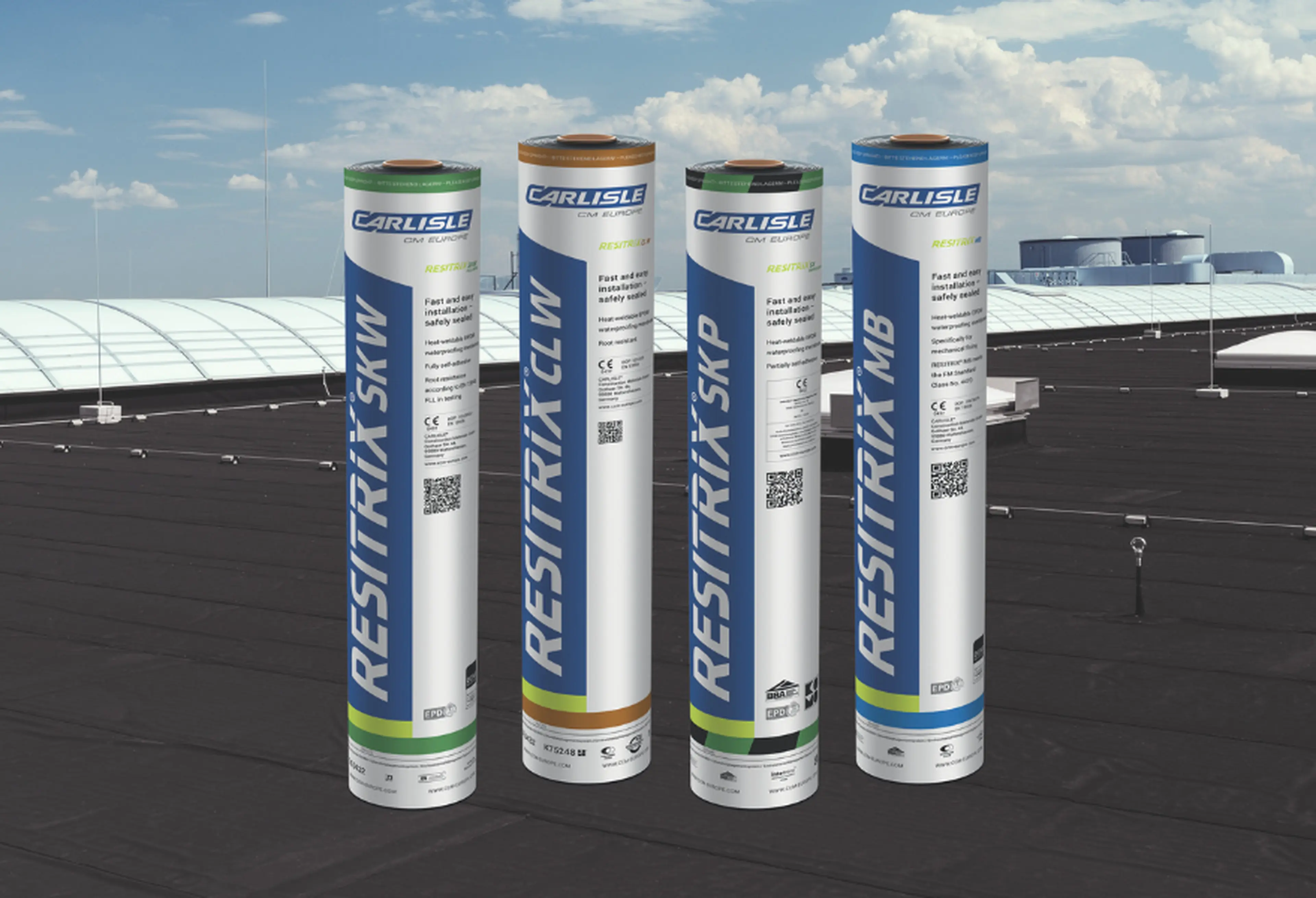
Carlisle is Europe’s leading manufacturer of rubber roofing EPDM membranes. We offer a wide range of EPDM roofing materials, developed over several decades. Two of our leading brands are RESITRIX® and HERTALAN®.
RESITRIX® is a hybrid EPDM membrane with a bitumen backing. HERTALAN is a pure EPDM membrane. It can be made to measure for almost any roof size. Learn more about the features and benefits of both ranges below.
What Is EPDM?
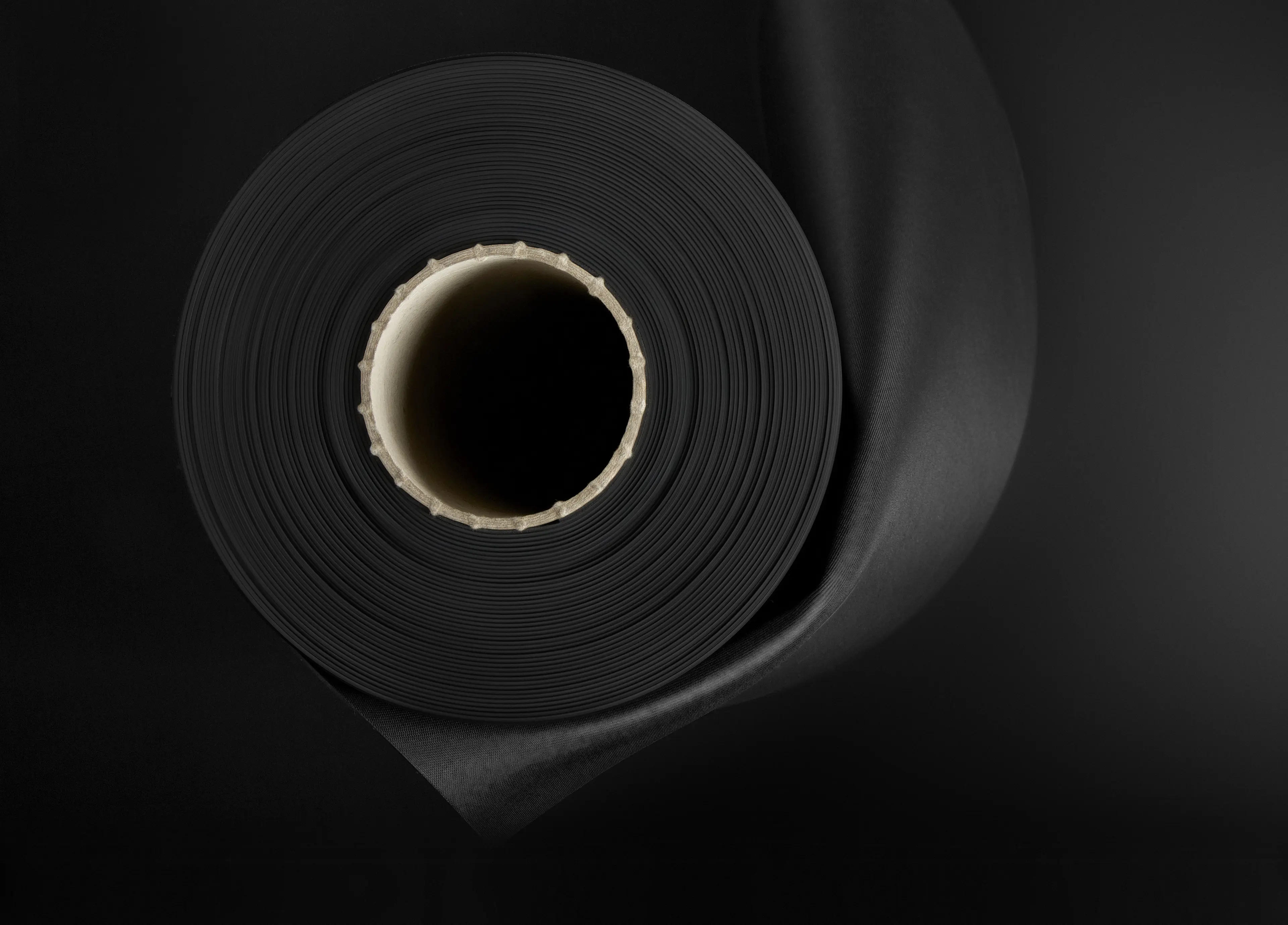
EPDM stands for ethylene propylene diene monomer. It is a synthetic rubber used widely in roofing. EPDM rubber roofing has protected flat roofs for decades. The material is extremely durable and remains flexible year-round.
As a single ply system, it forms one continuous waterproof layer. With regular roof maintenance the waterproofing on a roof will last for many decades. Some EPDM systems are delivered in rolls for easy handling and the seams can be welded flame free. In addition there's also an option for vulcanised seams in a factory to five one large continuous waterproofing layer.
Where Are EPDM Membranes Used?
Rubber membranes work across many flat roofs and slightly pitched roofs.. They suit flat roofs on homes, offices and factories. The material is common in commercial and industrial buildings. It also performs well on green roofs and podium decks. Because the rubber remains flexible, it fits complex shapes and detailing. A single ply layer keeps installation fast and clean. This makes it a practical choice for refurbishment and new build projects.
The Main Benefits of EPDM Membranes
EPDM membranes have a number of main benefits which are outlined below:
How does an EPDM membrane work?
How to Install EPDM
Before you install the membrane, the surface must be clean, dry and smooth. Good preparation ensures strong adhesion. It also supports long-term performance. Once ready, the membrane can be:
Fully adhered with adhesive
Mechanically fastened
Installed using induction welding
Ballasted with gravel or paving
Large sheet sizes mean fewer joints. This makes the rubber membranes quick and simple to fit. A clear materials list helps plan roofing supplies and avoid delays on-site.
Weather and UV Resistance
Rubber roofing performs well in both hot and cold climates. It resists UV radiation, frost and heavy rain. The material remains flexible over its long life.
Energy Efficiency
With the right insulation, these roofing systems can improve energy efficiency. Standard black membranes do absorb heat. Even so, good system design helps regulate building temperatures.
Low Maintenance
Once fitted, the membrane needs very little upkeep. Regular checks should look for damage from debris or foot traffic. Cleaning is simple. It usually means brushing or rinsing the surface. This keeps long-term costs low.
Chemical Resistance
A rubber roofing membrane resists many acids, alkalis and pollutants. This chemical resistance suits both commercial and industrial roofs.
Longevity and Compatibility
The long life of these rubber membranes makes them a reliable choice. When fitted and maintained well, they can last well beyond 50 years. They also work with a wide range of flashings, sealants and insulation. This allows seamless integration into modern roofing systems.
Longevity and Compatibility
The long life expectancy of EPDM membranes makes them a reliable roofing system choice. When correctly installed and maintained, they can last well beyond 50 years.
They are compatible with a wide range of flashings, sealants and insulation products, allowing seamless integration into modern roofing systems.
Why Should You Choose a Carlisle EPDM Membrane?
These membranes are a leading choice for flat roofing and waterproofing. They offer durability, flexibility and sustainability. They protect against the elements. They are also energy-efficient and cost-effective.
Extremely durable
Highly flexible
Environmentally friendly
Helps regulate building temperatures, lowering heating and cooling costs
Multiple installation methods
Low maintenance
Suitable for a wide range of applications
Choosing EPDM means investing in a reliable, sustainable roof for new builds and refurbishments.
EPDM systems, such as RESITRIX®, help improve profitability through faster installation, lower waste and enhanced site safety. Single-layer EPDM membranes significantly reduce labour time compared to two-layer bitumen system .Material waste is also minimised, with EPDM generating around 1.5% waste compared to approximately 12% for two-layer bitumen systems, resulting in lower disposal costs and improved material efficiency. In addition, RESITRIX® membranes are hot-air welded, removing the need for open flames and helping reduce hot works risks while maintaining a safer construction site environment.
A two-layer bitumen roofing system typically takes around 20 minutes per m² to install, while a single-layer EPDM system can reduce installation time to just 8 minutes per m². That equates to a saving of approximately 12 minutes for every square metre installed. In today's market, where material costs can fluctuate significantly, labour efficiency and project turnaround times play a major role in protecting profit margins. Faster installations allow contractors to complete more work in less time, increasing productivity and freeing up crews for the next project sooner.
Watch installation video here
Frequently Asked Questions About EPDM
Can EPDM be used for green roofs?
Yes, EPDM membranes are highly suitable for green roof applications. Their exceptional waterproofing capabilities ensure that the underlying structure remains protected from moisture infiltration, which is crucial for green roofs that retain water in their soil layers.The membrane’s flexibility also allows it to accommodate the natural movements and weight of green roof systems without compromising its integrity. Its durability ensures a long-lasting foundation for the vegetation above.
How much does an EPDM membrane Cost?
The cost of an EPDM membrane can vary depending on a variety of factors. This includes the thickness and type of the membrane, as well as the size and style of the roof.
Can EPDM be installed in cold climates?
Yes. It performs very well in cold climates. Some membranes remain flexible in temperatures as low as -45 degrees C. This prevents cracking during freeze-thaw cycles. For more details, download the RESITRIX and HERTALAN brochures from the Service Portal.